Lab
Small experiments, real results, and the useful questions they leave behind.
26 stories to explore
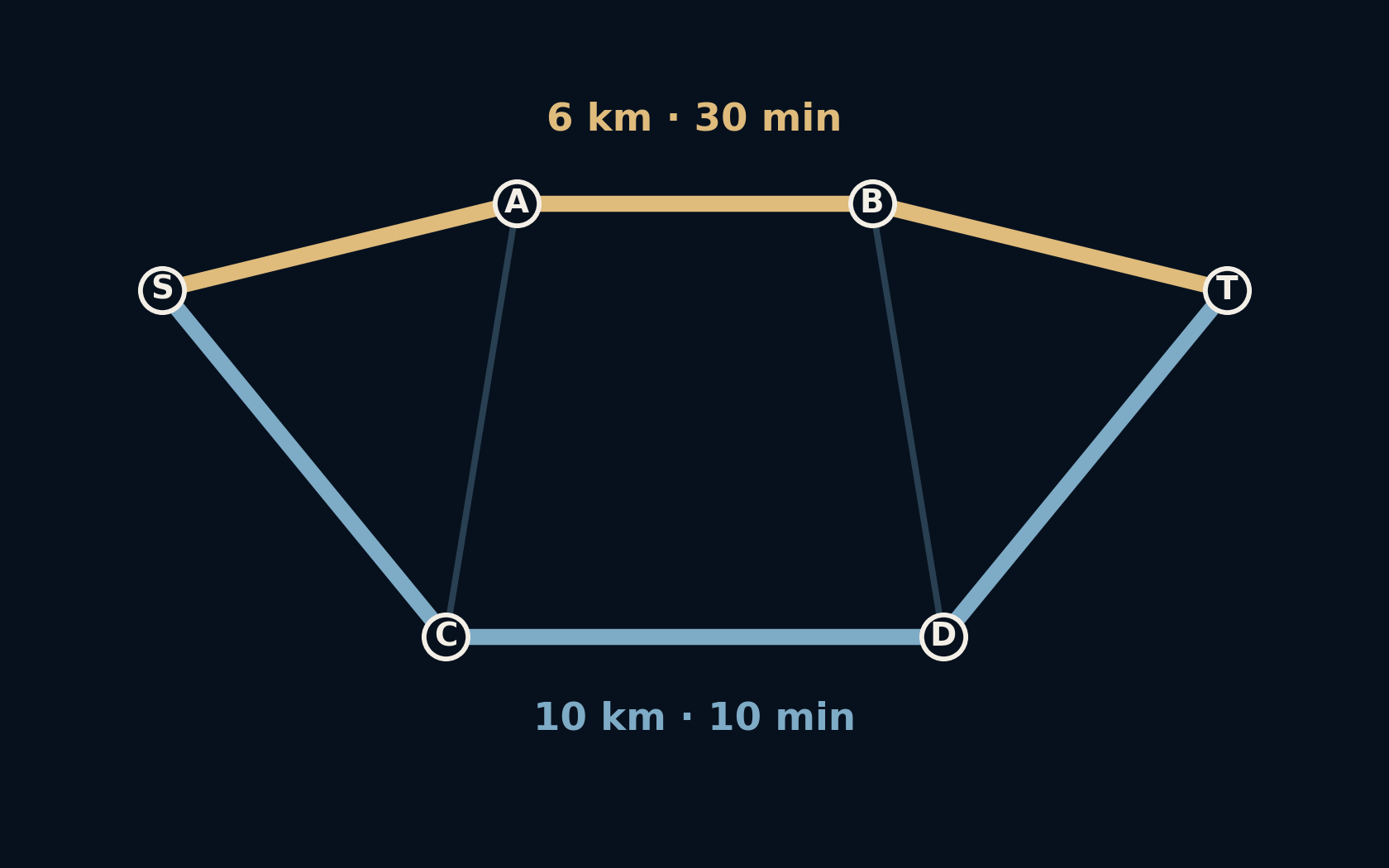
Why the shortest route can make you late
A tiny road network reveals the question hiding inside every “best route.”

Why two identical-sized images weigh so differently
The dimensions tell you how many pixels exist. The file size tells you something about how those pixels can be described.
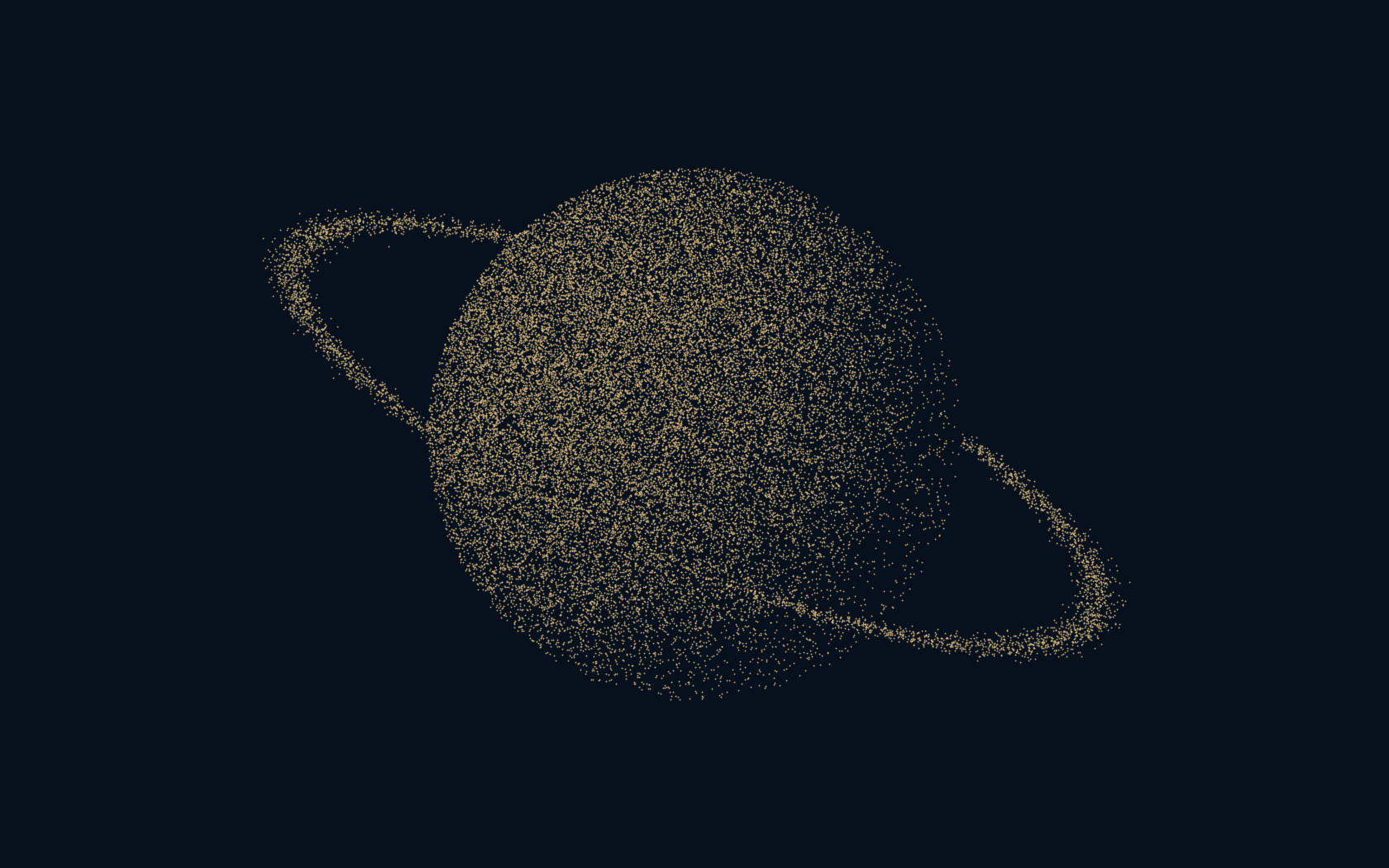
When random dots learn the shape of a planet
A probability map can turn scattered points into a deliberate image, without a trained model.
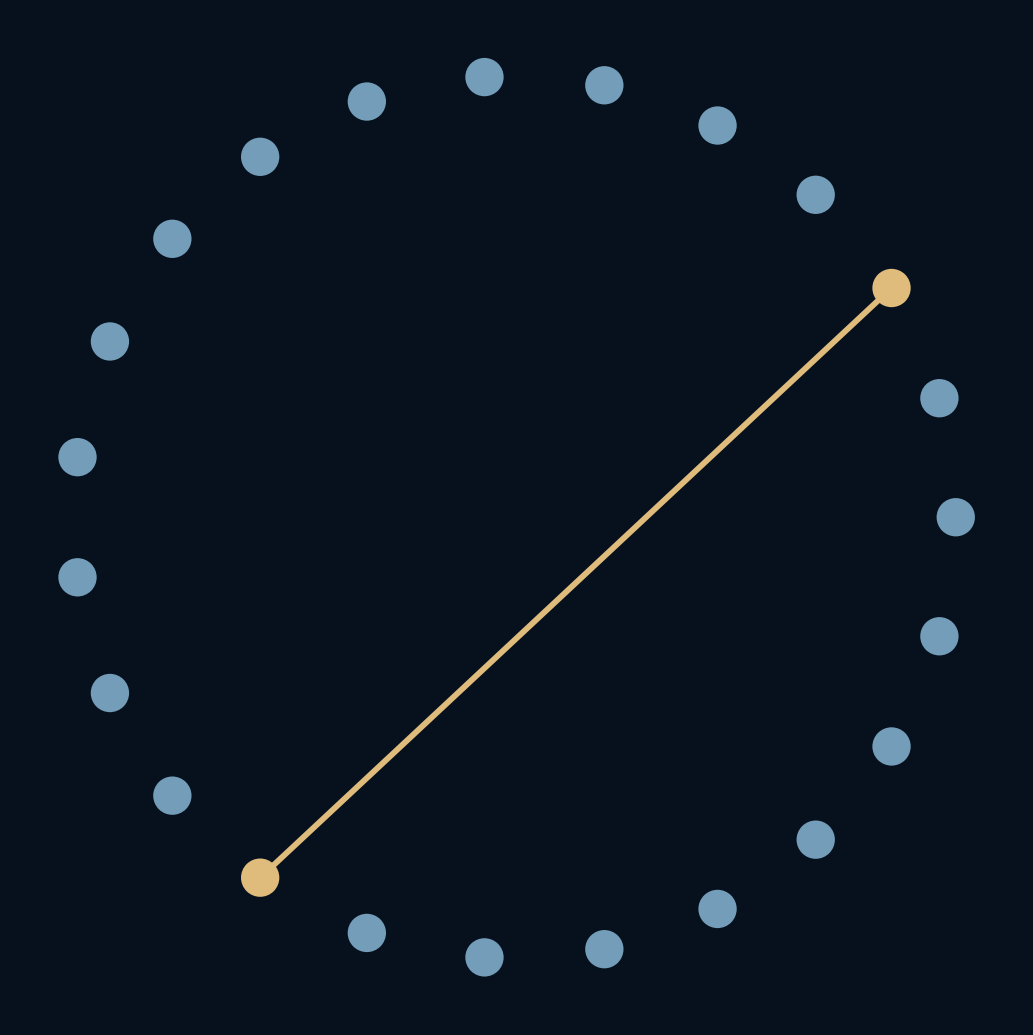
A room fills with coincidences faster than you expect
Twenty-three people are enough to tip a familiar probability past one half. The surprise is hidden in how many pairs you are comparing.
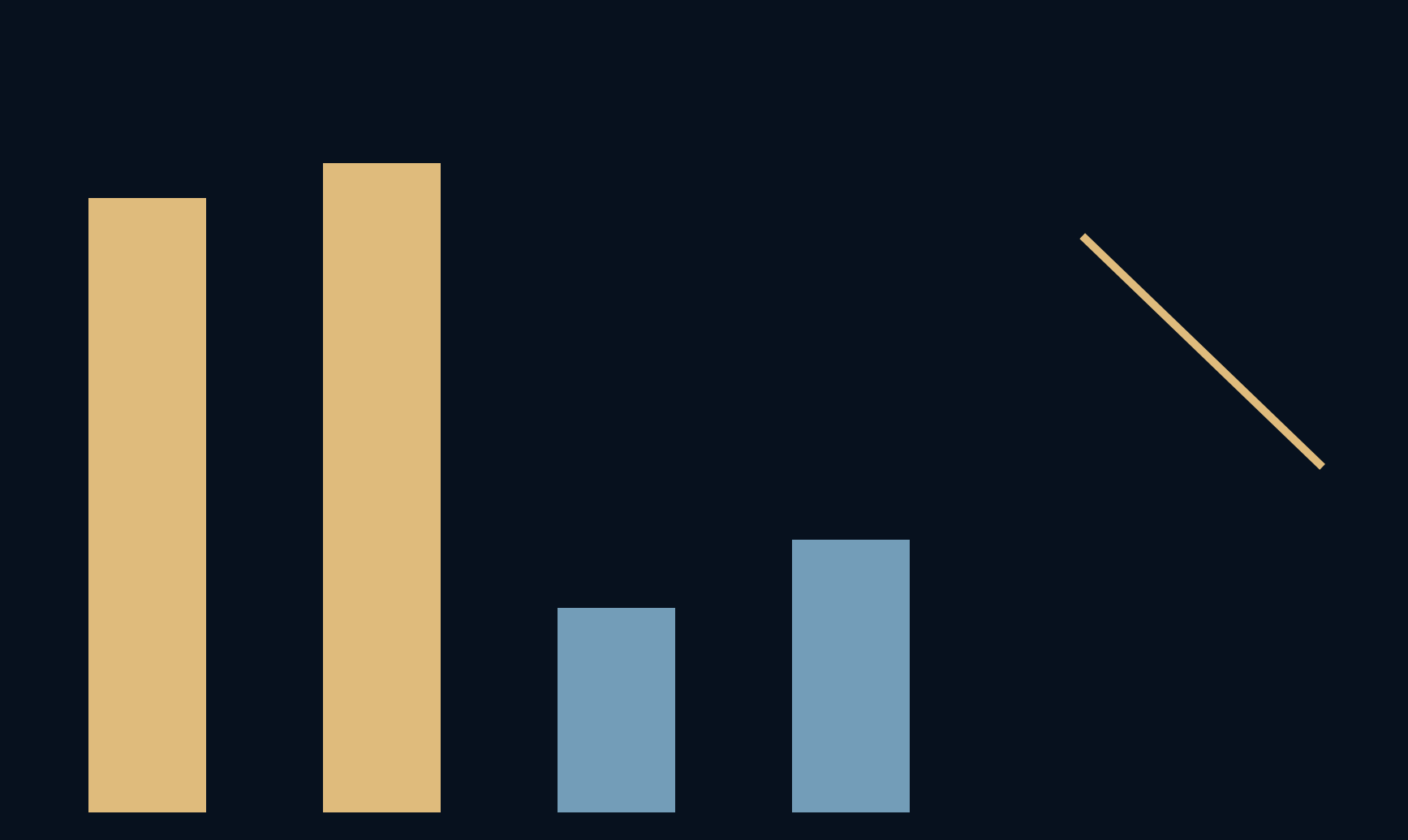
When both groups improve but the total gets worse
A success rate can fall even while every group inside it performs better. The changing mix supplies the missing explanation.

Why the last bit of spare capacity matters
A queue does not grow politely in proportion to demand. Random arrivals make the last slice of spare capacity unusually valuable.

The average that describes almost nobody
One very large value can move a mean far from the crowded middle. That does not make the mean wrong, but it changes what it is useful for.
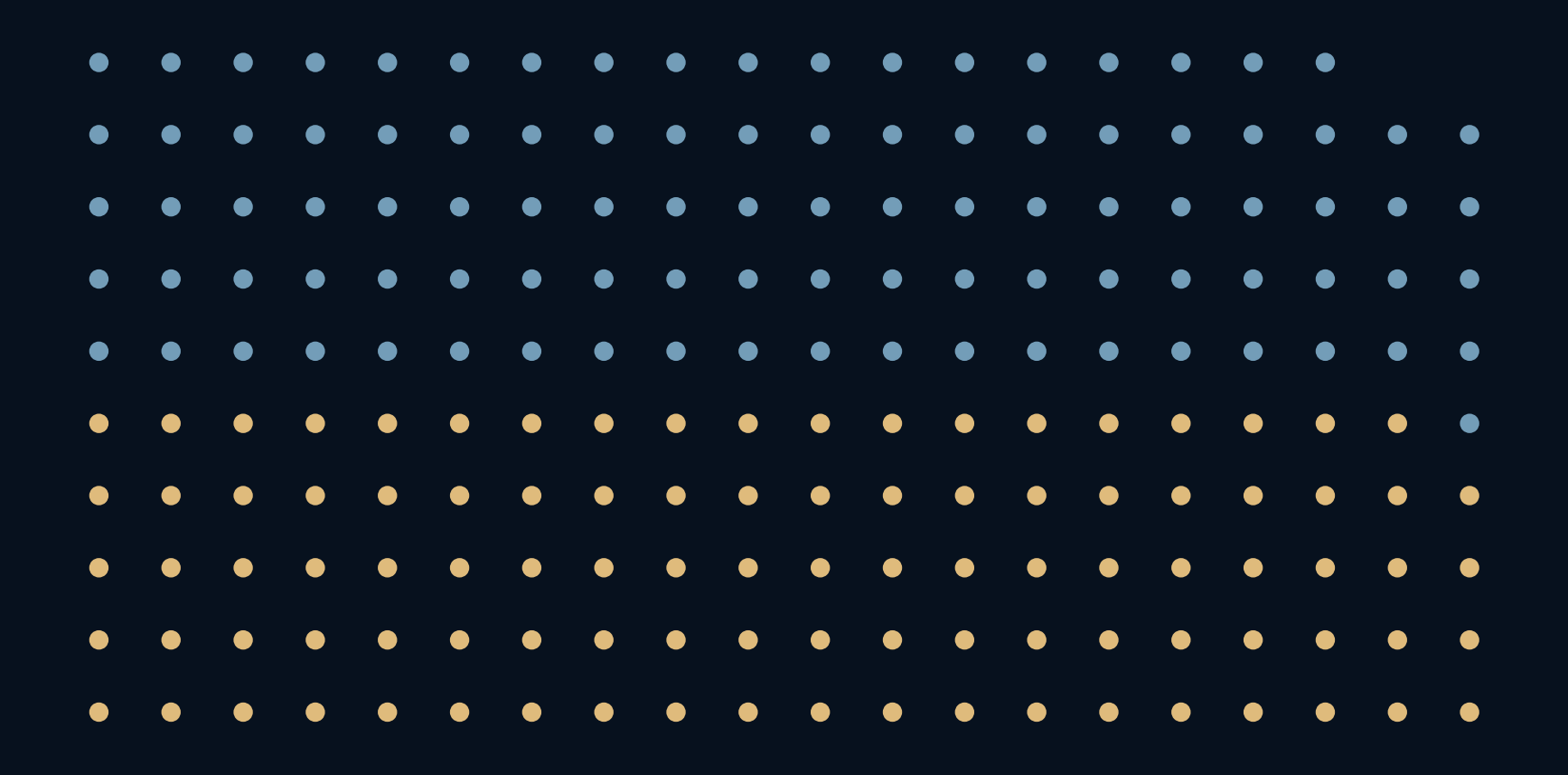
A very accurate alarm can still be wrong most of the time
The fraction of real events among alerts depends on how rare the event was before the alarm rang.

Ten votes and a thousand votes do not say the same thing
A percentage describes the sample. An interval helps show how uncertain the underlying proportion remains.